
About
User research is the cornerstone of creating effective user experiences. It encompasses various activities throughout the UX process, from initial discovery work like journey mapping and persona creation to gathering insights on user behavior and preferences, and conducting usability testing on interactive prototypes. Each of these activities plays a vital role in informing design decisions.
Discovery Phase
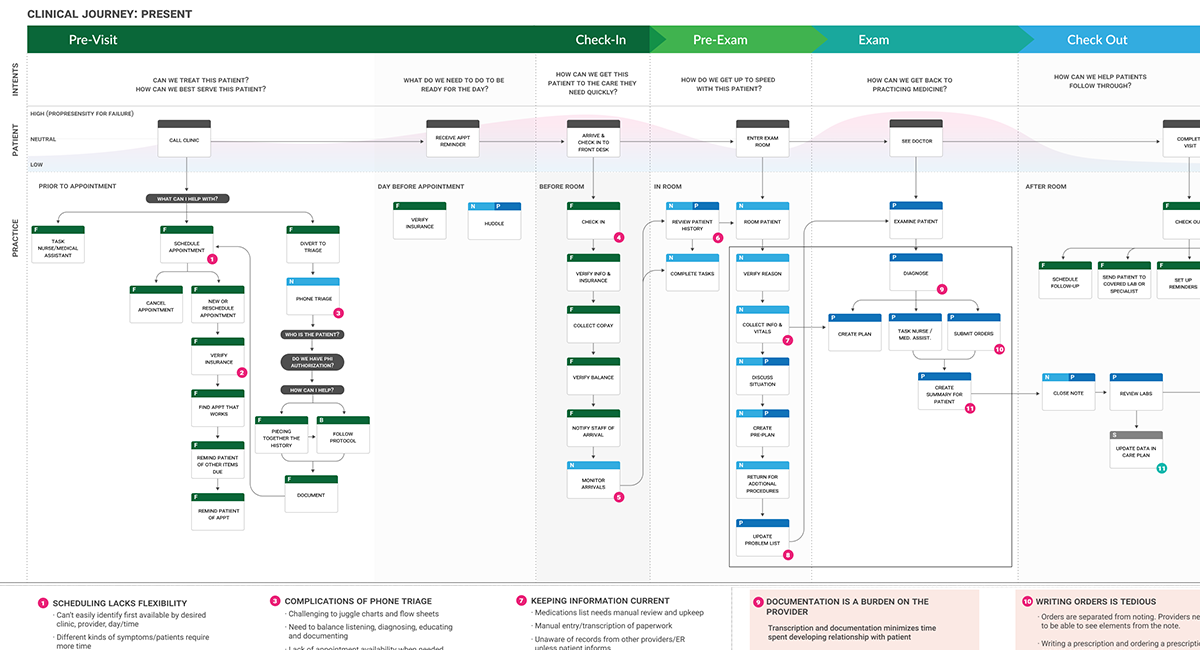
During the discovery phase, it's important to engage in exploratory tasks to deepen the understanding of users and their motivations. This process involves conducting interviews to identify pain points and goals, which then informs the creation of detailed journey maps and user personas. Additional methods such as empathy mapping, KWL (What I Know, What I Wonder, What I Learned) surveys, and generic surveys provide valuable initial insights into user needs and expectations.
Research Methods
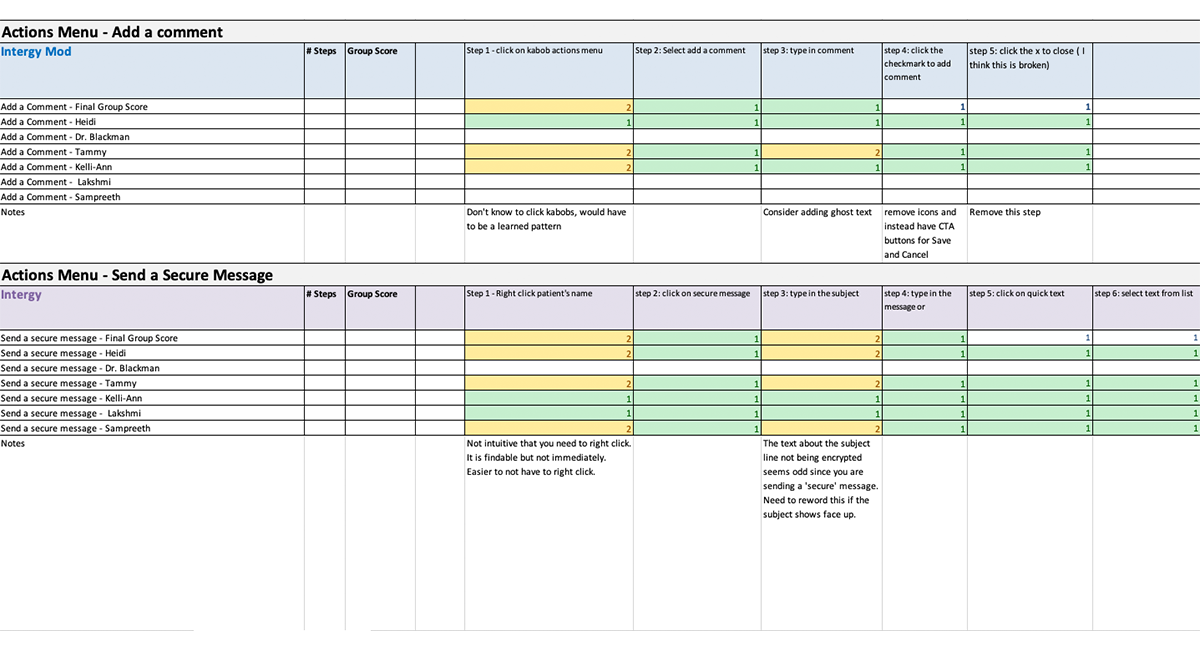
The research team collaborates closely with designers to conduct usability testing on mockups and interactive prototypes. This testing ensures that the proposed design solutions effectively facilitate task completion, feature intuitive layouts, and utilize appropriate verbiage. The focus is on maintaining low cognitive load for users while they navigate the design. Employing various research methodologies, including A/B testing, tree sorting, card sorting, and general usability testing, tailored to the specific information we seek is key. Tools like Usertesting.com and User Zoom help with gathering user feedback efficiently.
Project Information
- Company : Greenway Health
- Category : User Research Methodology and Practices
Research Findings
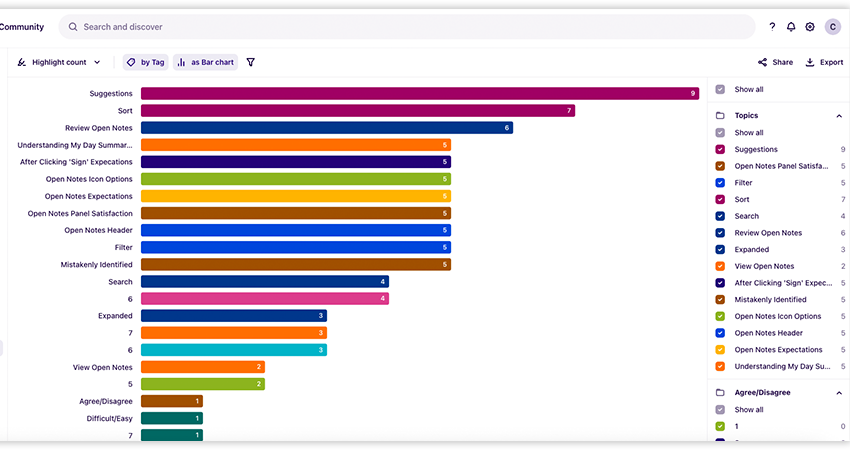
After conducting research or testing, thorough analysis and reporting of findings are crucial. I prioritize the importance of delivering comprehensive reports to designers and stakeholders that summarize key insights, action items, and the overall user sentiment derived from the research.
Further Analysis
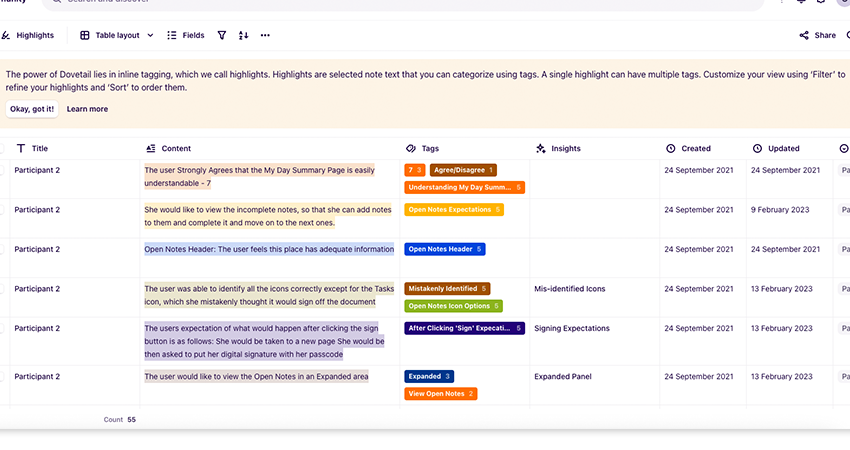
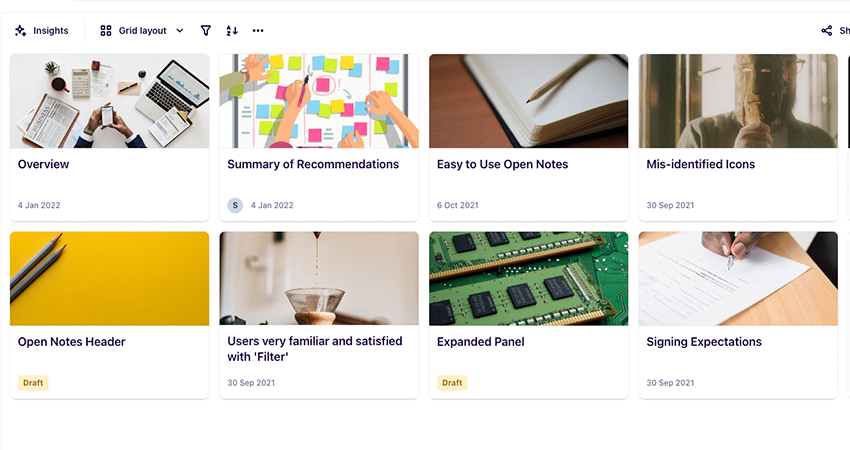
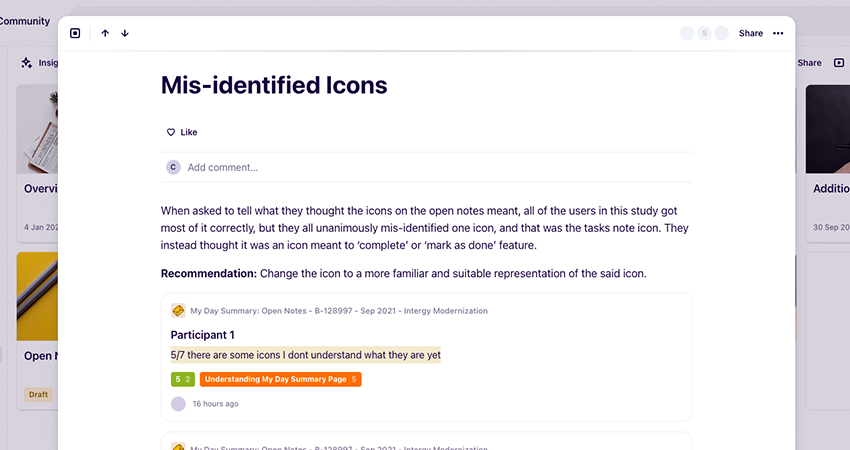
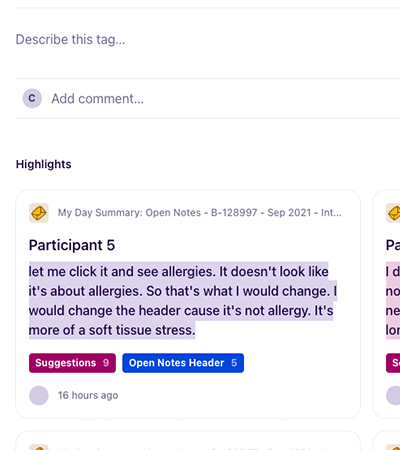
I have found Dovetail to be highly effective for organizing and presenting research insights. The platform allows researchers to create individual cards for each insight, complete with user quotes and categorized tags for easy searching. It also offers AI-driven sentiment filtering, enabling the team to focus on both positive and negative feedback from testing, thereby enhancing our understanding of user experiences.